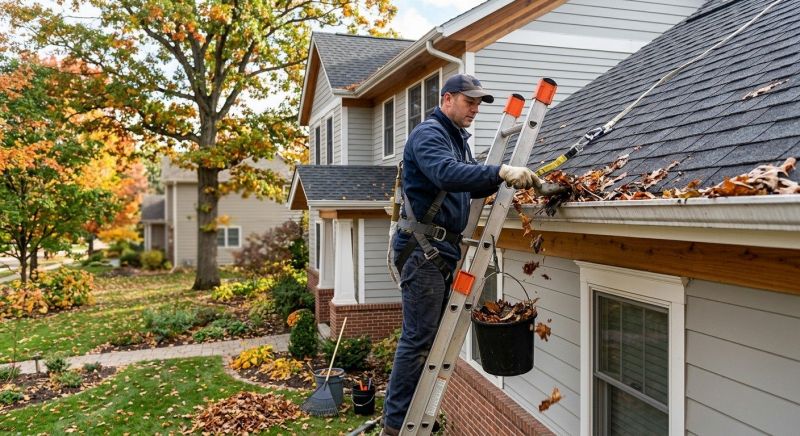
Eavestrough Clearing in Monmouth County, NJ
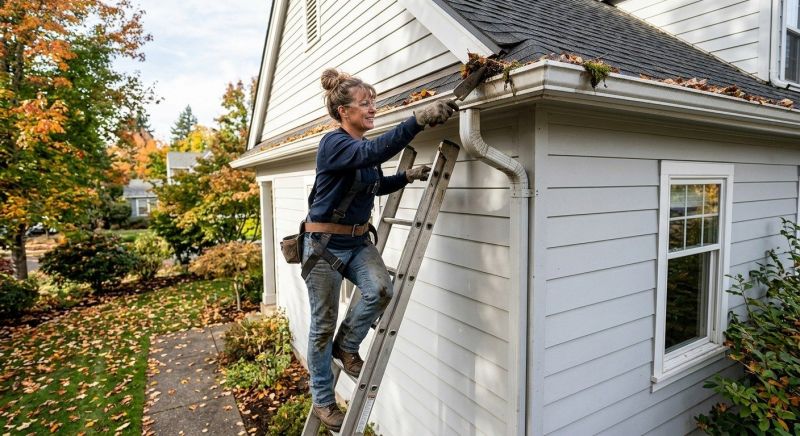
Eavestrough clearing services involve the removal of leaves, debris, and obstructions from the gutters that run along the roofline of a property. This maintenance helps ensure that rainwater flows properly through the gutters and downspouts, preventing water from pooling or overflowing onto the roof, siding, or foundation. Projects typically include clearing out residential and commercial eavestroughs, inspecting for damage or blockages, and sometimes flushing the system to maintain optimal function. Property owners often want to understand the scope of the cleaning, the tools used, and whether any repairs or additional services are recommended as part of the process.
Before requesting eavestrough clearing, homeowners should consider the size and height of the property, as well as the accessibility of the gutters. It’s useful to know if there are any existing issues such as leaks, sagging sections, or damage that may require further attention. Clarifying whether the service includes inspection or minor repairs can help ensure that the gutters are thoroughly maintained and functioning properly. Properly maintained eavestroughs contribute to protecting the property’s structure and preventing water-related issues over time.
Many property owners in Monmouth County, NJ look into Eavestrough Clearing for repairs, replacements, upgrades, and appearance-related improvements.
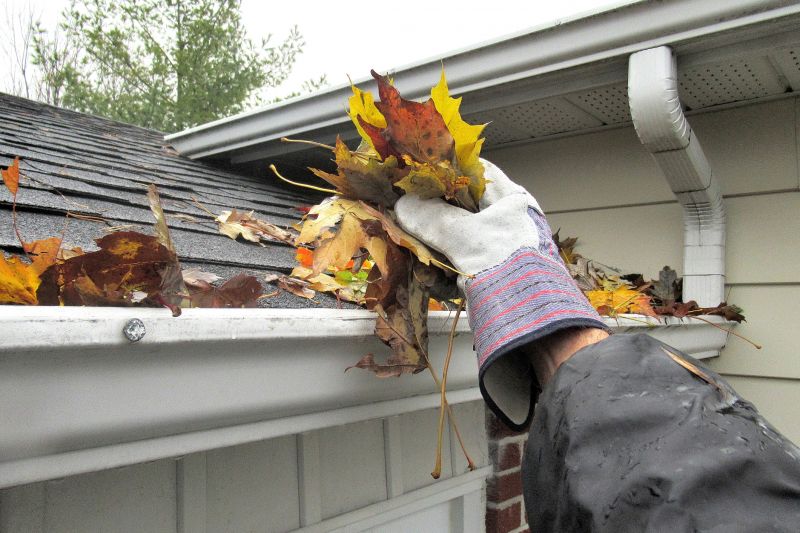
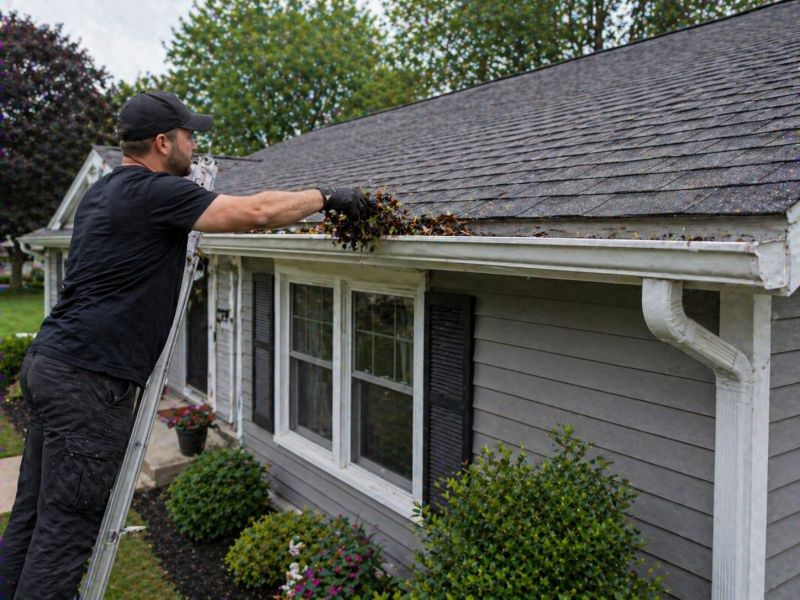
Eavestrough Maintenance
Regular cleaning helps prevent water damage and keeps gutters functioning properly.
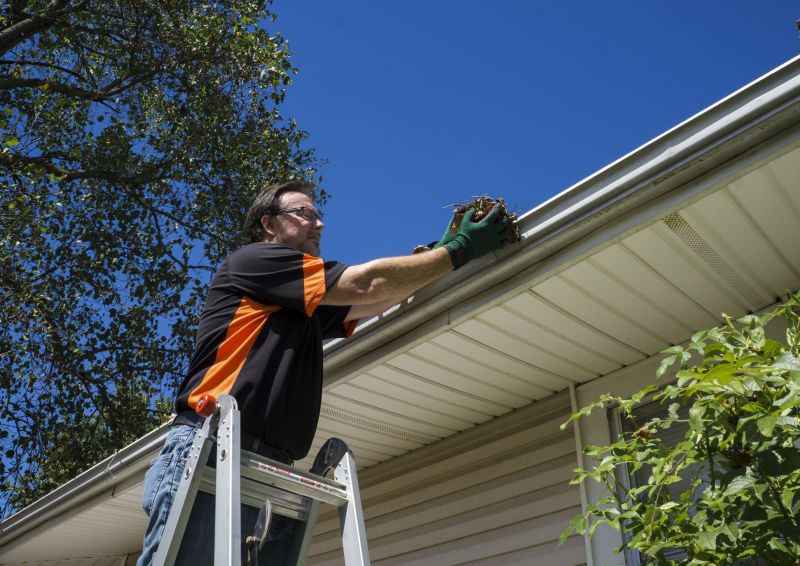
Clog Removal Solutions
Clearing blockages ensures rainwater flows freely away from the home's foundation.
Gutter System Repairs
Fixing leaks and sagging sections protects your property in monmouth county homes.
Eavestrough Clearing in Monmouth County, NJ
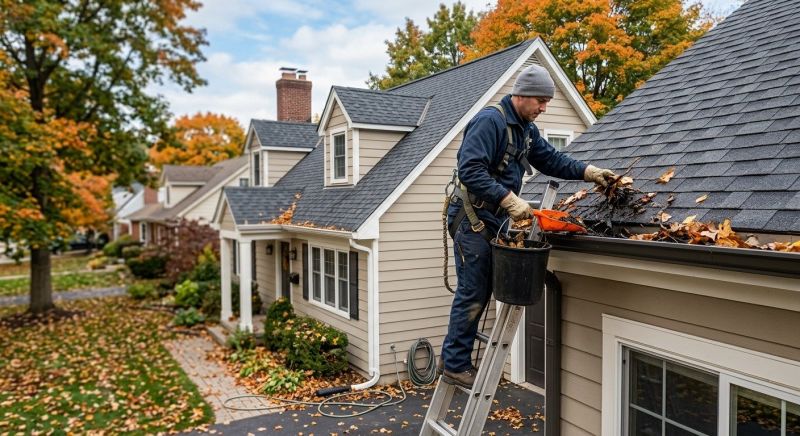
Eavestrough clearing services involve the removal of leaves, debris, and obstructions from the gutters that run along the roofline of a property. This maintenance helps ensure that rainwater flows properly through the gutters and downspouts, preventing water from pooling or overflowing onto the roof, siding, or foundation. Projects typically include clearing out residential and commercial eavestroughs, inspecting for damage or blockages, and sometimes flushing the system to maintain optimal function. Property owners often want to understand the scope of the cleaning, the tools used, and whether any repairs or additional services are recommended as part of the process.
Before requesting eavestrough clearing, homeowners should consider the size and height of the property, as well as the accessibility of the gutters. It’s useful to know if there are any existing issues such as leaks, sagging sections, or damage that may require further attention. Clarifying whether the service includes inspection or minor repairs can help ensure that the gutters are thoroughly maintained and functioning properly. Properly maintained eavestroughs contribute to protecting the property’s structure and preventing water-related issues over time.
Many property owners in Monmouth County, NJ look into Eavestrough Clearing for repairs, replacements, upgrades, and appearance-related improvements.
Common Eavestrough Clearing Jobs
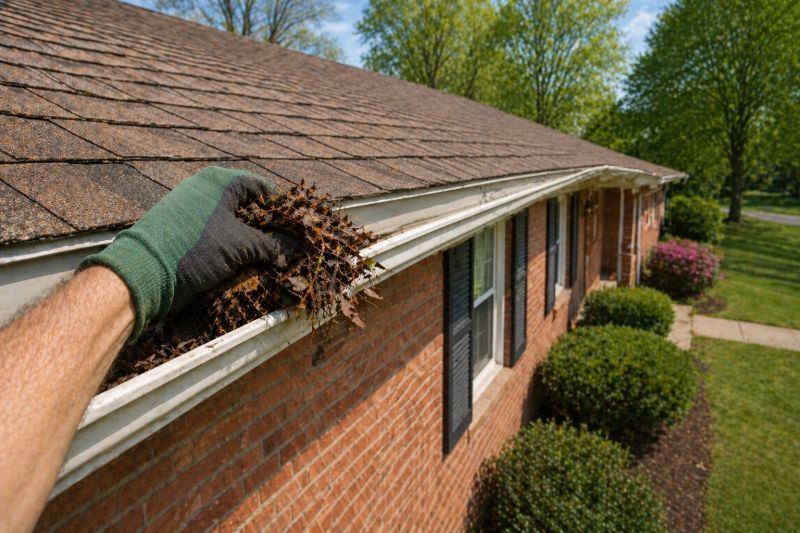
Eavestrough Cleaning - removal of debris to ensure proper water flow and prevent clogs.
Gutter Inspection - assessment of eavestroughs to identify damage or areas needing repair.
Downspout Clearing - clearing blockages to direct water away from the foundation.
Gutter Flushing - thorough rinsing to remove dirt, leaves, and buildup inside the system.
Leaf Guard Maintenance - checking and maintaining gutter protection systems to prevent future blockages.
Gutter Repair - fixing leaks, sagging sections, or damaged components for optimal performance.
Eavestrough Clearing Questions
Why is eavestrough clearing important? Regular clearing helps prevent water damage, foundation issues, and basement flooding by ensuring proper drainage away from the property.
How often should eavestroughs be cleaned? It is recommended to clean eavestroughs at least twice a year, typically in spring and fall, or more frequently if there are many trees nearby.
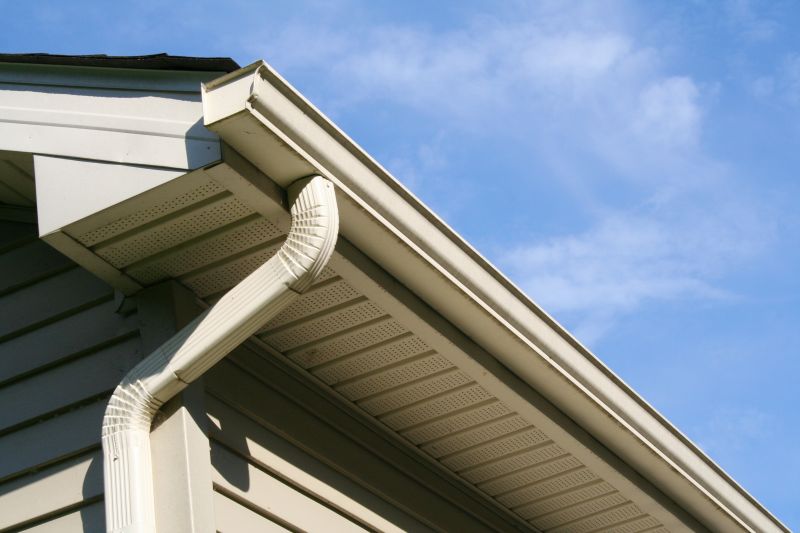
What materials are used for eavestroughs? Eavestroughs are commonly made from aluminum, vinyl, or steel, chosen for durability and ease of maintenance.
What signs indicate eavestroughs need cleaning? Signs include overflowing water, sagging sections, debris buildup, or water stains on the siding near the roofline.
Request Eavestrough Clearing in Monmouth County, NJ
Use the quote form on this page to share the basics of your project and request more information for the type of work you need.